How it began
A frustration in Suez, turned into a society.
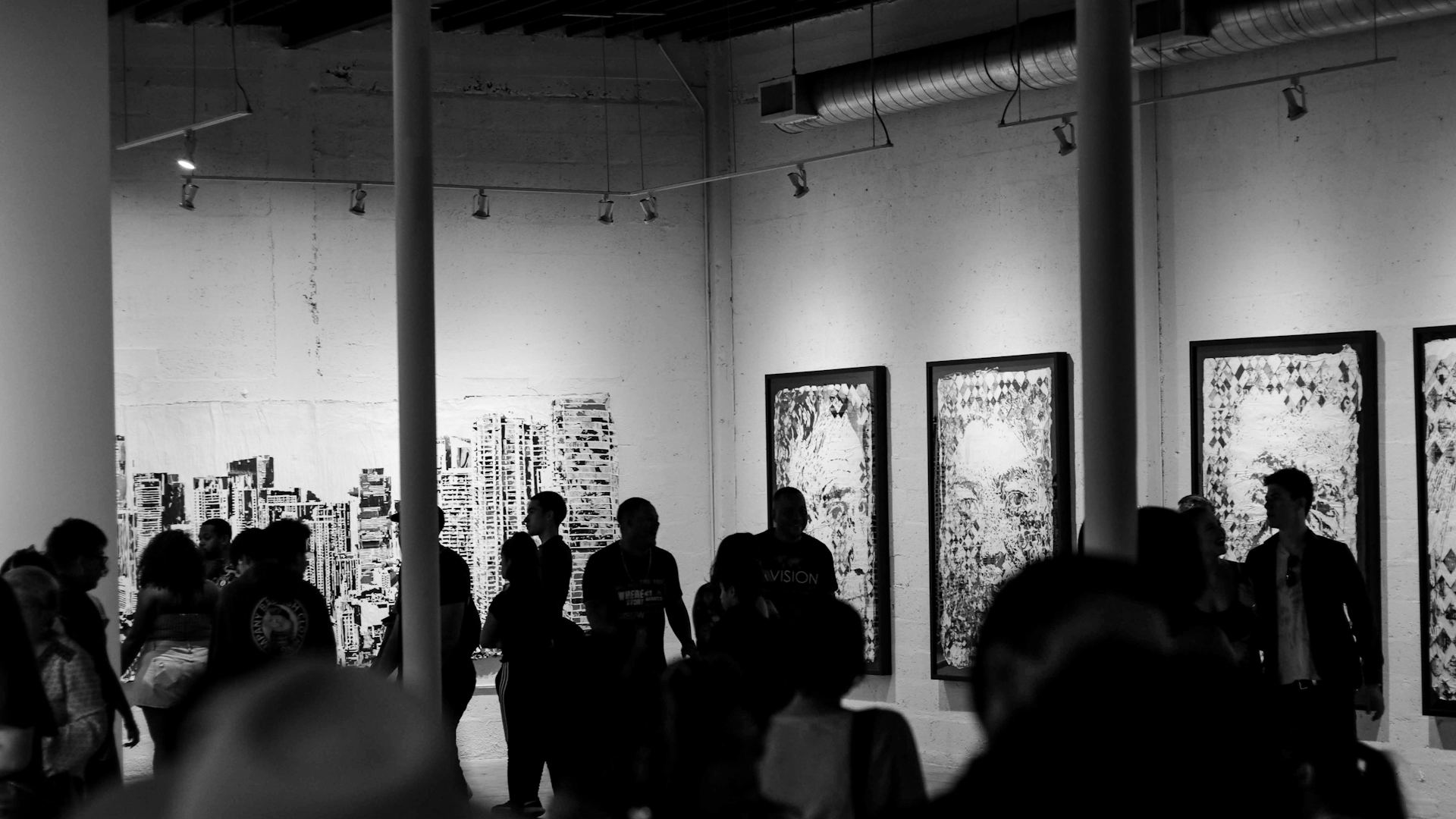
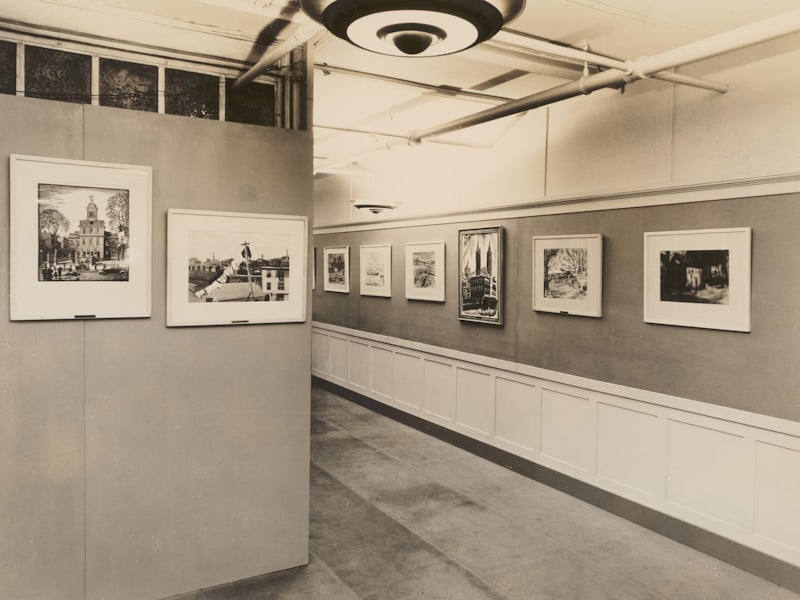
The society grew out of a simple frustration. A handful of people in Suez who loved the region's museums kept noticing two things: that the museums were chronically short of the steady support they needed, and that there was no good way for an ordinary enthusiast to be more than an occasional ticket-buyer. You could visit, pay, and leave — but you could not belong, contribute, or be part of the museums' life in any continuing way.
So in 2016 they founded a society to fix both problems at once. Members pay an annual subscription; in return they get unlimited access to a growing network of museums and a programme of events. The subscriptions, pooled, give the museums a reliable stream of support that occasional tickets never could, and give members a genuine stake in the cultural life they are funding. It began with a few hundred members and three museums in the canal region; a decade later the network spans fourteen museums and the membership numbers in the thousands. The principles it was founded on are written down, deliberately, in our founding charter.
What has not changed in that decade is the basic bargain. A member pays a modest annual sum and gets, in return, far more than the money's worth in access and events — while the museums get a steady, predictable stream of support that no amount of occasional ticket-buying could provide. Both sides come out ahead, which is why the model has held and grown rather than faltered. The founders' bet, that enough people would value belonging to a cultural society if one were built honestly, has been vindicated year after year.